News

Ensuring Safety in Laboratories: Key Measures

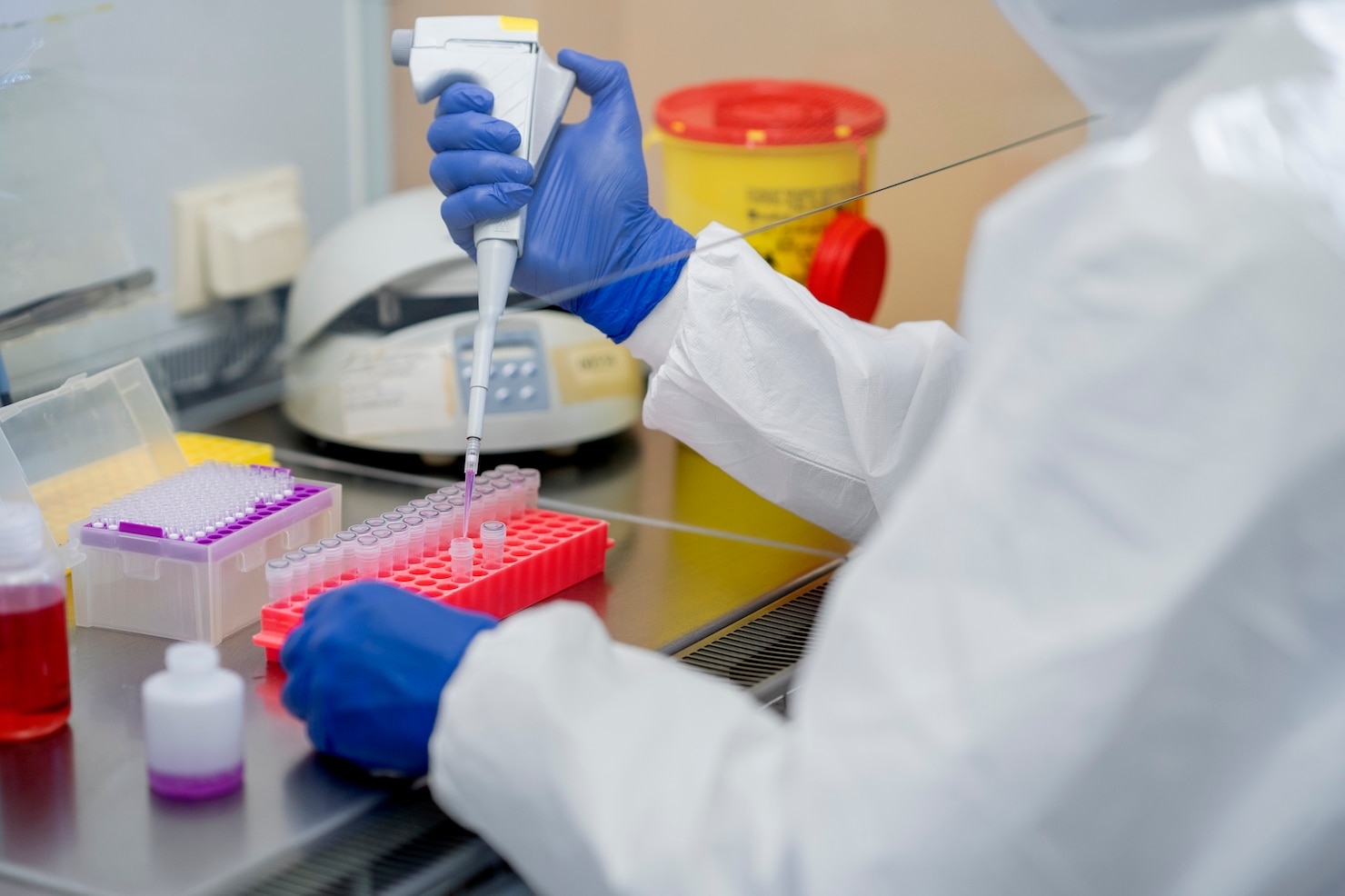
Ensuring safety in laboratories is critical to protect personnel, equipment, and the environment. Key measures include proper training, using personal protective equipment (PPE), maintaining clean and organized workspaces, implementing emergency protocols, and regularly inspecting safety equipment. By following safety guidelines, labs can minimize risks and promote a secure working environment.

Sustainability in Lab Design: Leading the Charge Toward

Sustainability in lab design focuses on reducing environmental impact while maintaining efficiency and functionality. This includes using energy-efficient systems, sustainable materials, reducing waste, and optimizing resource usage. By incorporating green technologies and eco-friendly practices, labs can lead the charge toward a more sustainable future in research and innovation.

Al Revolutionizes Lab Design: How Smart Labs Are

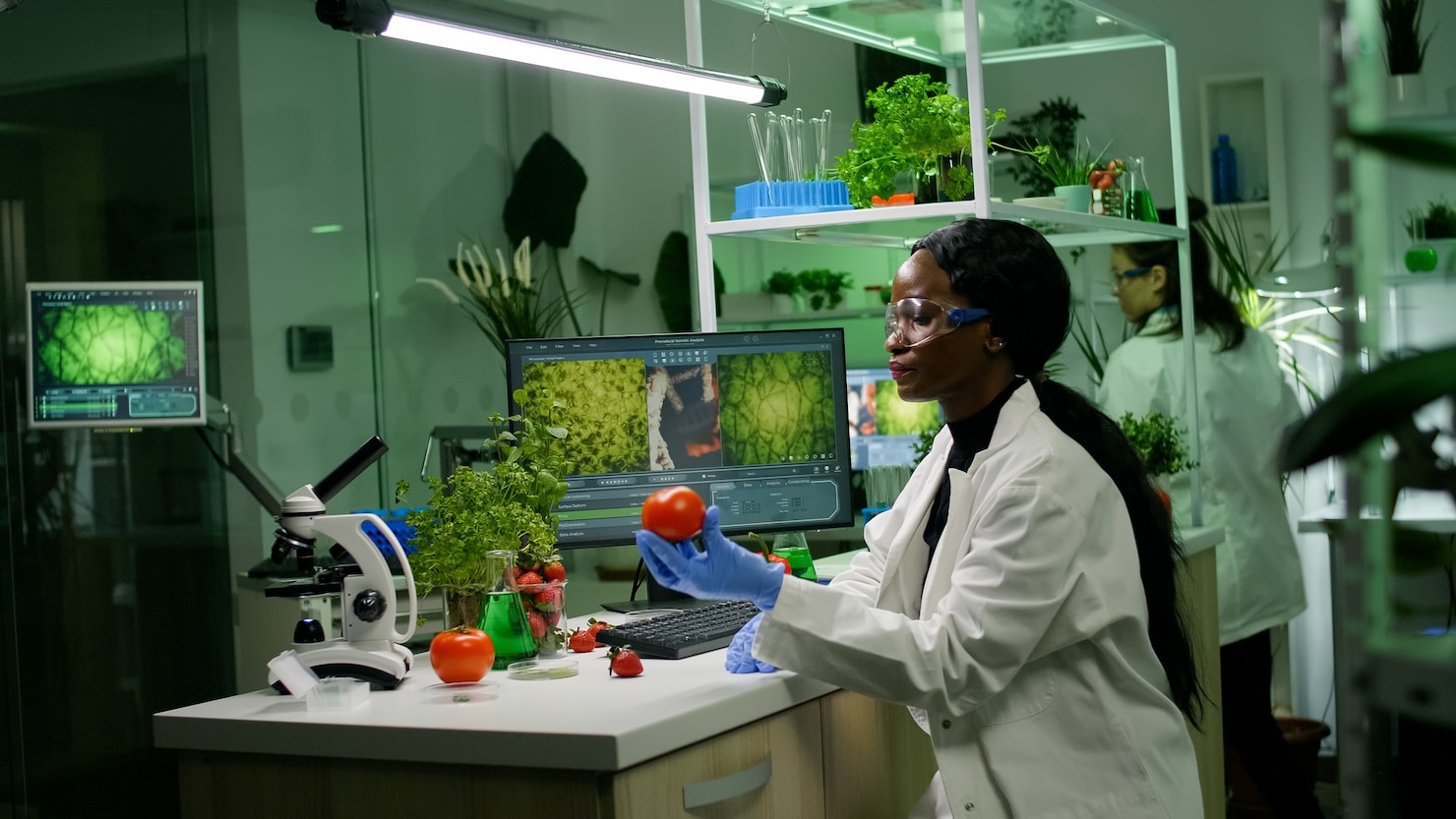
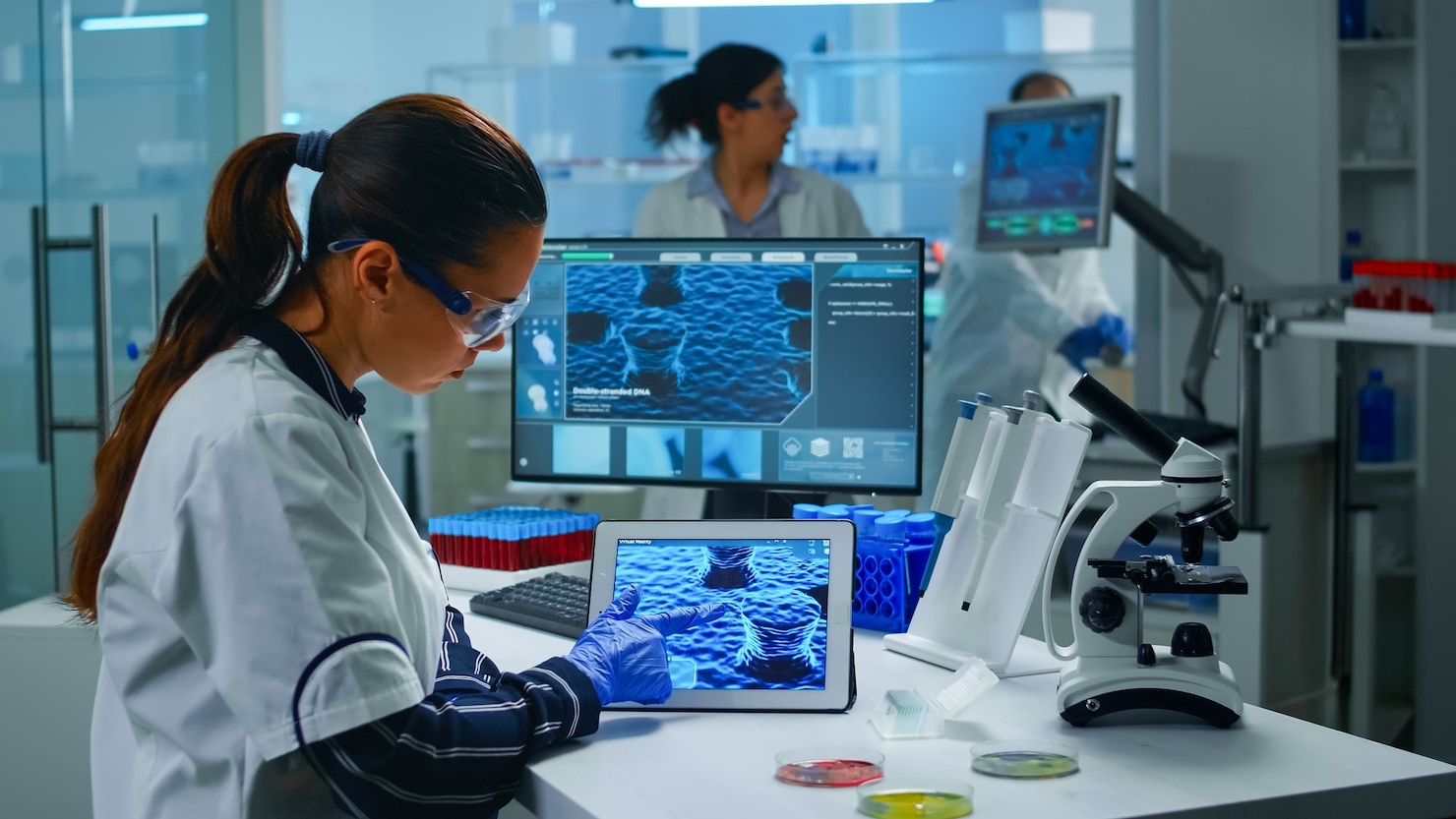
AI revolutionizes lab design by integrating smart technologies that enhance efficiency, safety, and collaboration. Smart labs utilize AI-powered systems for real-time data analysis, predictive maintenance, and automated processes. This transformation allows for optimized workflows, better resource management, and improved decision-making, making labs more adaptive and future-ready.

Lab Accreditation and Validation: The Essential Steps

Lab accreditation and validation are crucial steps in ensuring that laboratories meet international standards for quality and reliability. Accreditation involves a formal recognition from an authorized body, confirming that the lab operates according to established protocols. Validation ensures that lab processes, equipment, and results are accurate and reliable, which is essential for maintaining trust in scientific research and outcomes.

Ensuring Safety in Laboratories: Key Measures for a Secure

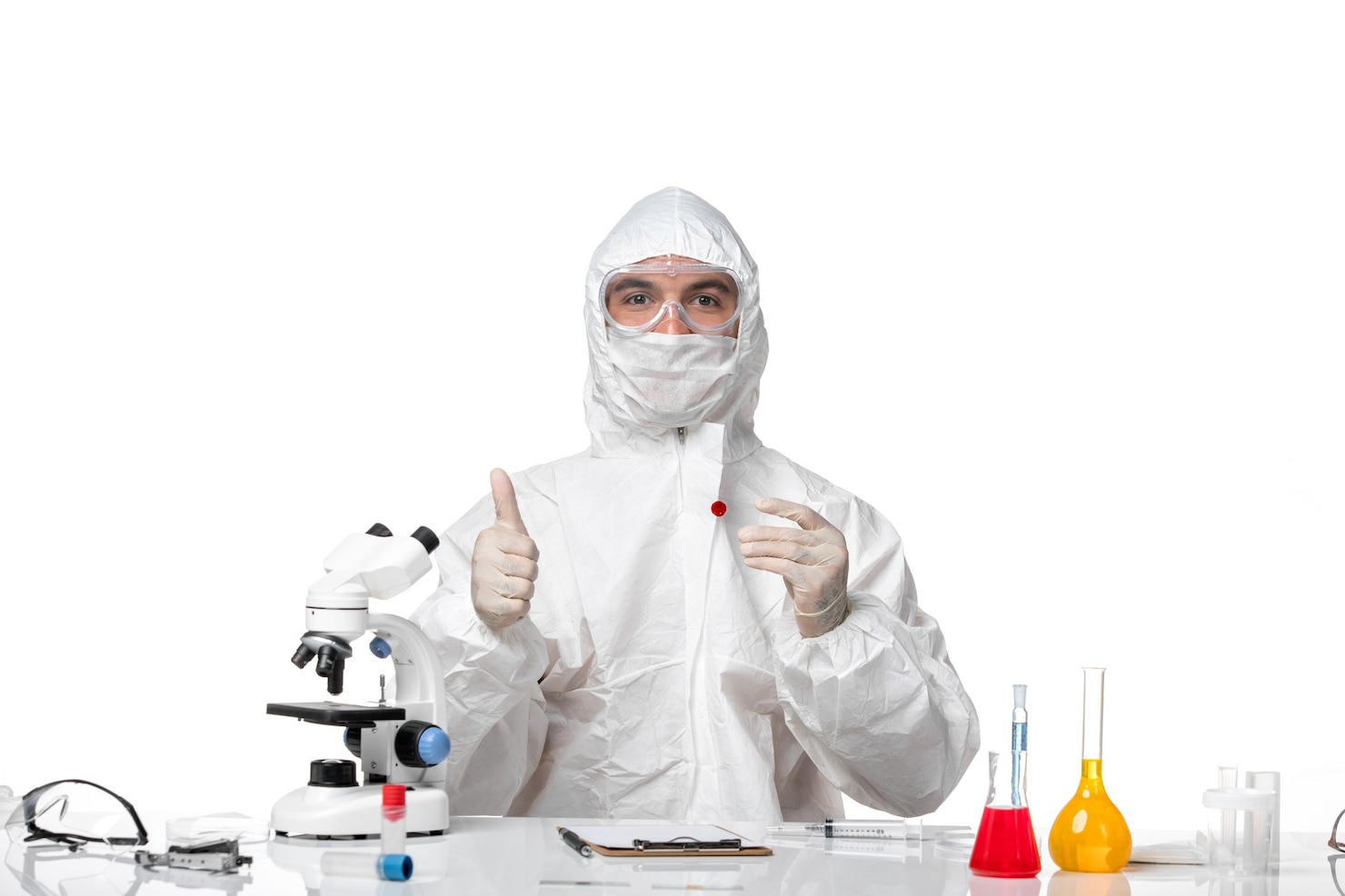
Ensuring safety in laboratories involves key measures that safeguard both personnel and equipment. These include proper training on safety protocols, wearing appropriate personal protective equipment (PPE), maintaining a clean and organized workspace, and ensuring proper handling of chemicals and equipment. Regular safety drills, routine inspections, and emergency preparedness plans are also essential to create a secure and risk-free environment.
Scroll to Top